


Can You Really Change the World Starting With One Choice?
The world feels broken, but what if the solution isn’t out there—it’s within you? Every thought, every reaction, every choice shapes…

 Last Thursday President-elect Donald Trump triumphantly celebrated Carrier’s decision to reverse its plan to close a furnace plant and move jobs to Mexico. Some 800 jobs will remain in Indianapolis.
 Tohono O’odham traditional lands extend deep into Mexico, and any border wall will face legal and physical opposition.
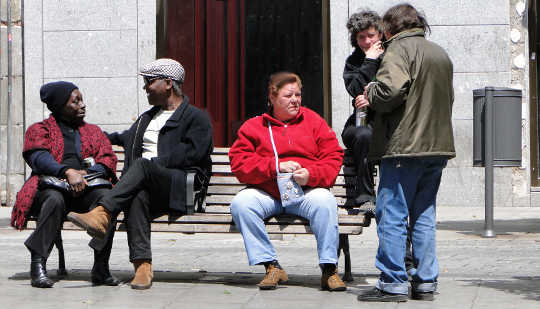 This was a highly emotional election, and we need time to feel our feelings and sort out what it means for us and for the country. Donald Trump's game is to manipulate emotions and activists can be as vulnerable as anyone else...
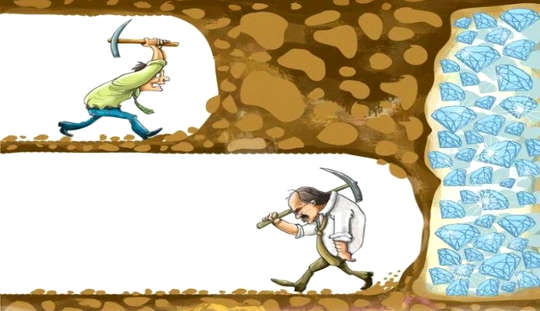 The reactionary wave that swept across America with the election of Donald Trump is not an anomaly in our history. It is an all-too-familiar pattern in the long struggle for American reconstruction.

At the core of Theresa May’s reasons for lifting the ban on new grammar schools in September was, the prime minister argued, her desire for “Britain to be the world’s great meritocracy”.
 Some policymakers and elected officials, including President Barack Obama, have publicly criticized impoverished and African-American fathers for not being involved in the lives of their children.
 Vaginas are so hot right now. If that sentence shocks you, then you’ve been out of the cultural loop.
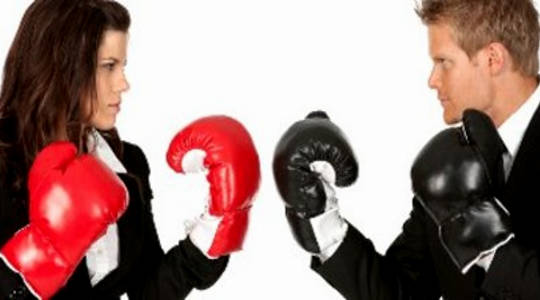 As long as each side is attached to their beliefs, the battle never ends. It is only when one person is able to step back and listen to the other without judging that is there is potential for a shift to occur...
 Harvard Law School professors love to use hypotheticals in their classes. So let’s try one that they have not subjected their students to in its 200 years of storied history. What if the Law School split itself into two parts
 Is there a difference between calling a woman or a man “hysterical”? The word’s origin as the term for a psychological disorder grounded in female physiology suggests the answer is yes.
The GOP presidential nominee's acceptance speech was a litany of fear and resentment, a dog whistle to disaffected white Americans.
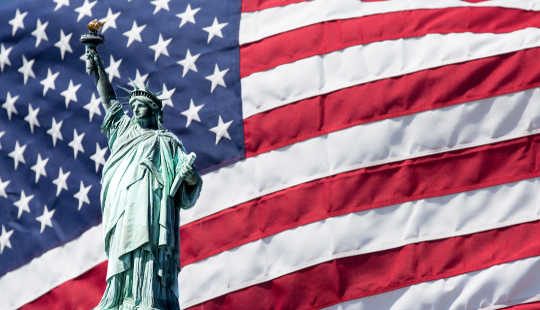 We hear a lot about patriotism, especially around the Fourth of July. But in 2016 we’re hearing about two very different types of patriotism. One is an inclusive patriotism that binds us together. The other is an exclusive patriotism that keeps others out.
 For years, transgender rights activists have argued for their right to use the public restroom that aligns with their gender identity. In recent weeks, this campaign has come to a head.
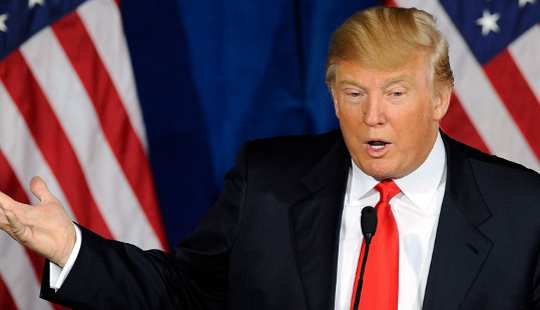 A visceral sense of domestic decline is coursing through contemporary American culture and politics – and it’s become one of the central themes of this year’s presidential campaign. Donald Trump in particular has used it to stoke the inchoate anger of his supporters, telling them: “Our country is falling apart. Our infrastructure is falling apart … Our airports are, like, third world.”
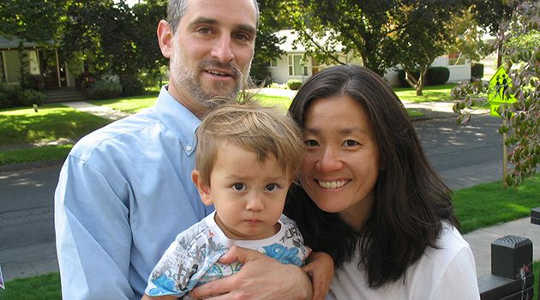 The four key elements of ethnic culture respondents mentioned were language, food, holiday celebrations, and values. As Kelly H. Chong investigated how the couples sought to preserve ethnic traditions, food and holiday celebrations were the only cultural elements passed down among generations in a concrete way.
 Luis is an upper-middle-class American-born Latino. When I interviewed him in 2008, he told me he had spent long hours, and a substantial amount of money, restoring a classic Chevy truck.
 The Justice Department announced that nearly 6,000 people in federal prisons will be going home early. The move, U.S. officials told the Washington Post, is an effort to both reduce overcrowding and to provide relief to people who received harsh drug war sentences over the past three decades.
 The new thinking we need will not emerge all at once, in one fell swoop. It will come about—and is already coming about—as contemporary thinking is increasingly questioned. There is a step before we can embrace new ideas: it is to put the old ideas on trial.
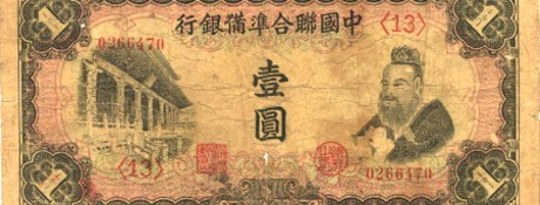
In today’s China, the philosopher Confucius is back. To mark his 2,565th birthday this September, the nation’s President, Xi Jinping, paid homage to the sage at an international conference convened for the occasion.
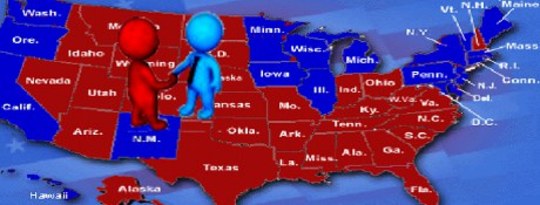
What if you asked Americans in largely "red" or Republican districts and largely "blue" or Democratic districts very specific questions about what government should do—about taxes, reproductive rights, foreign affairs, and the like, and 96 percent of the time they agreed? And 69 percent of the time there wasn't even a statistically significant difference ...
Why did an elementary school math problem go viral? It has to do with a new set of federal education standards known as the Common Core.

"...the public is currently being denied the right to be fully informed about the risks it is facing. There are many reasons for this, from “doubt-mongering” to ideologically-motivated denial. We know from much research on misinformation that people cannot dismiss “noise” or misinformation unless they are given a reason to do so."
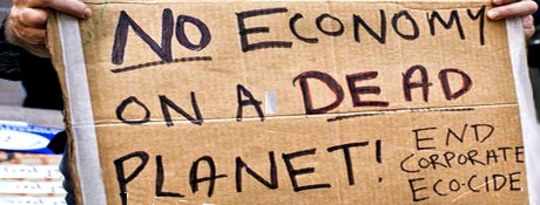
Accurately understanding our natural environment and sharing that information can be a matter of life or death. When it comes to global warming, much of the public remains in denial about a set of facts that the majority of scientists clearly agree on. With such high stakes, an organized campaign funding misinformation ought to be considered criminally negligent.